Abstract
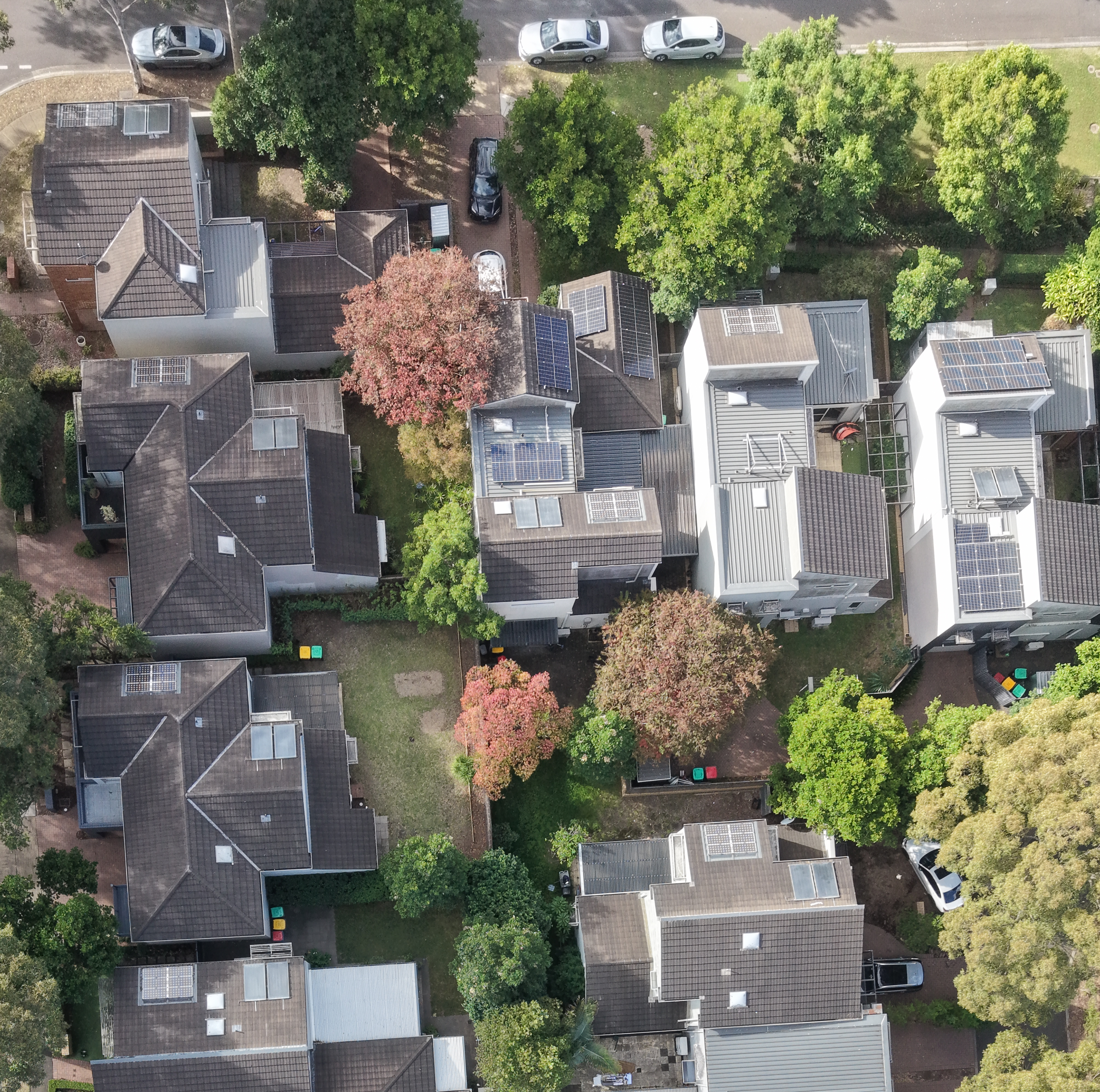
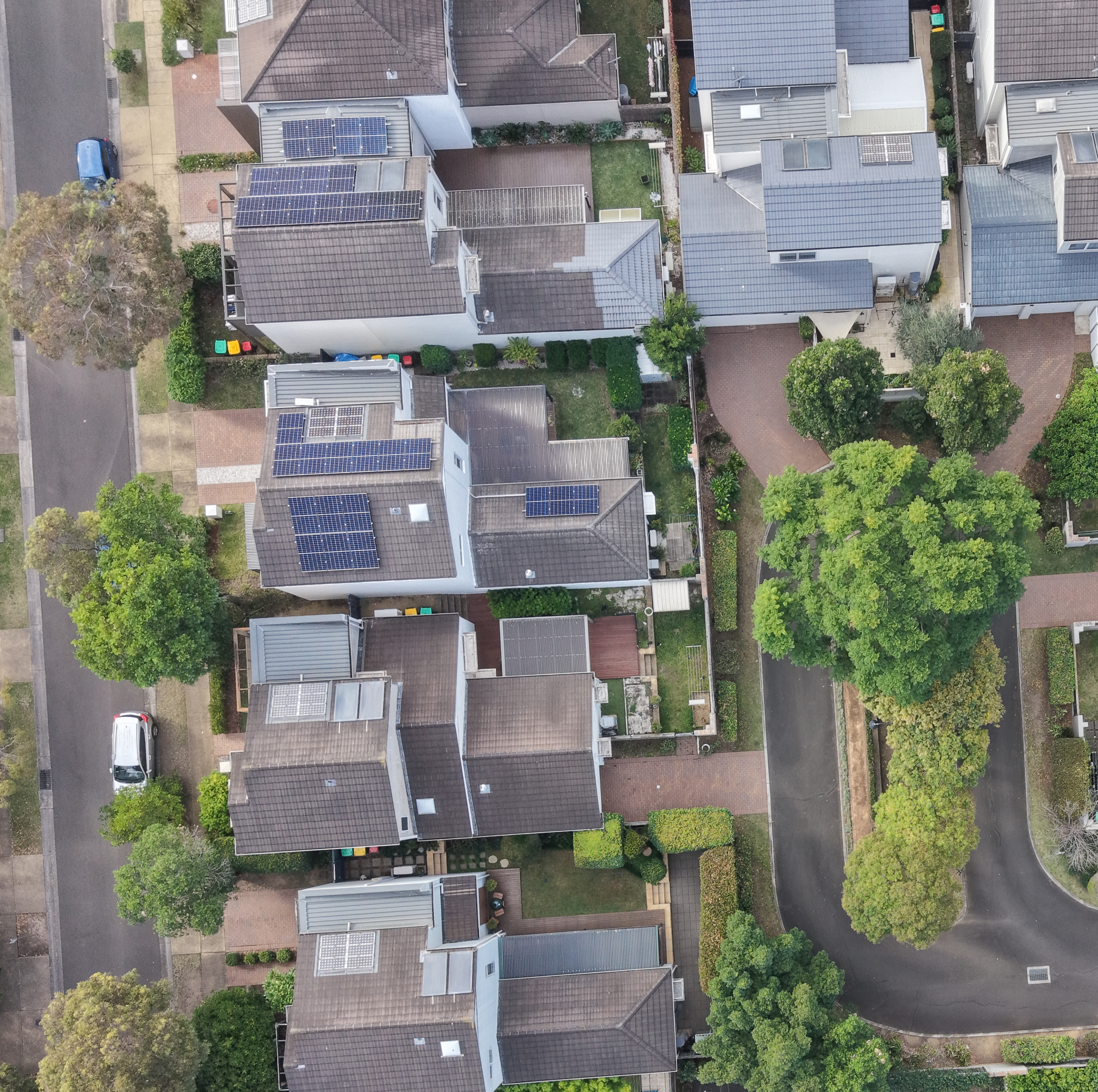
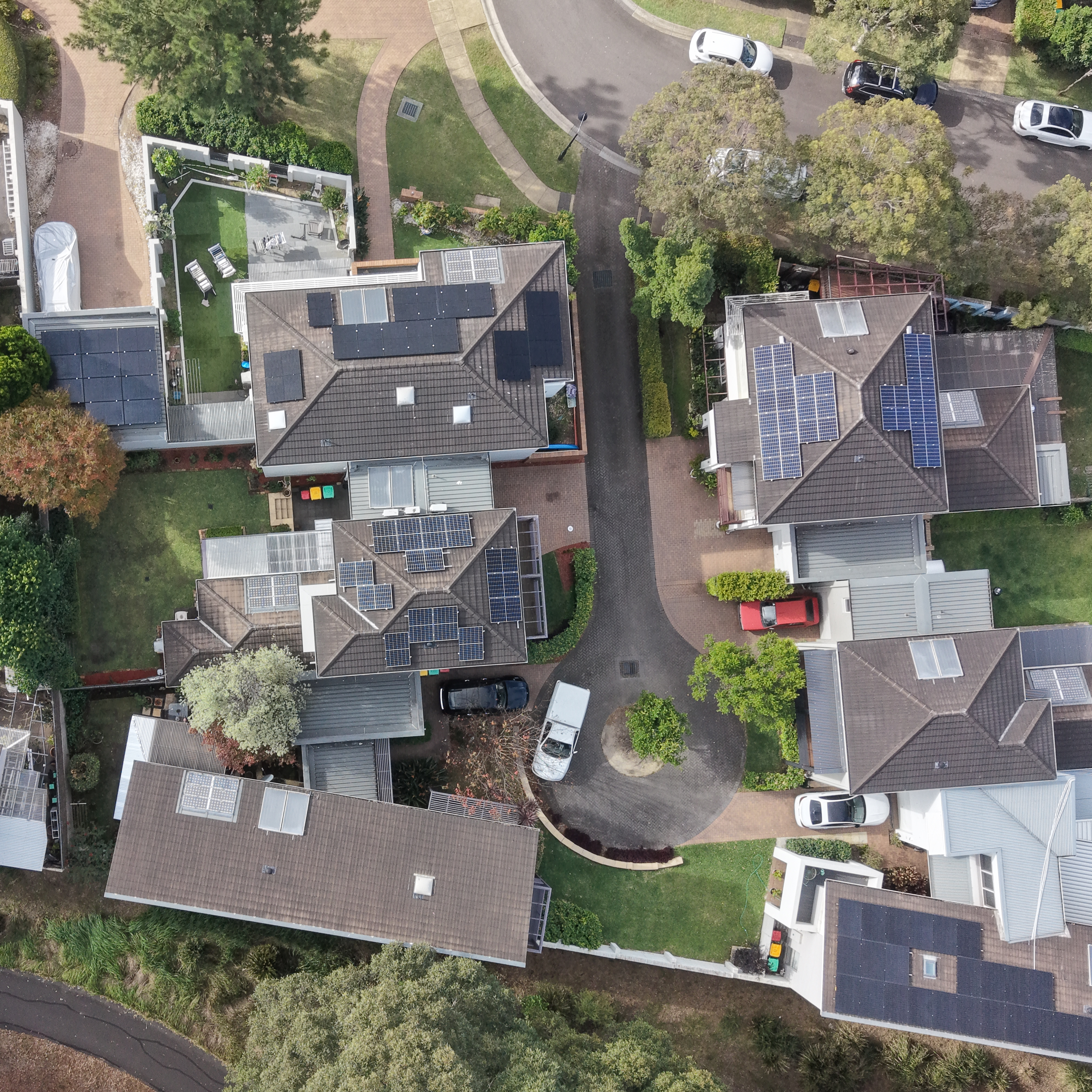
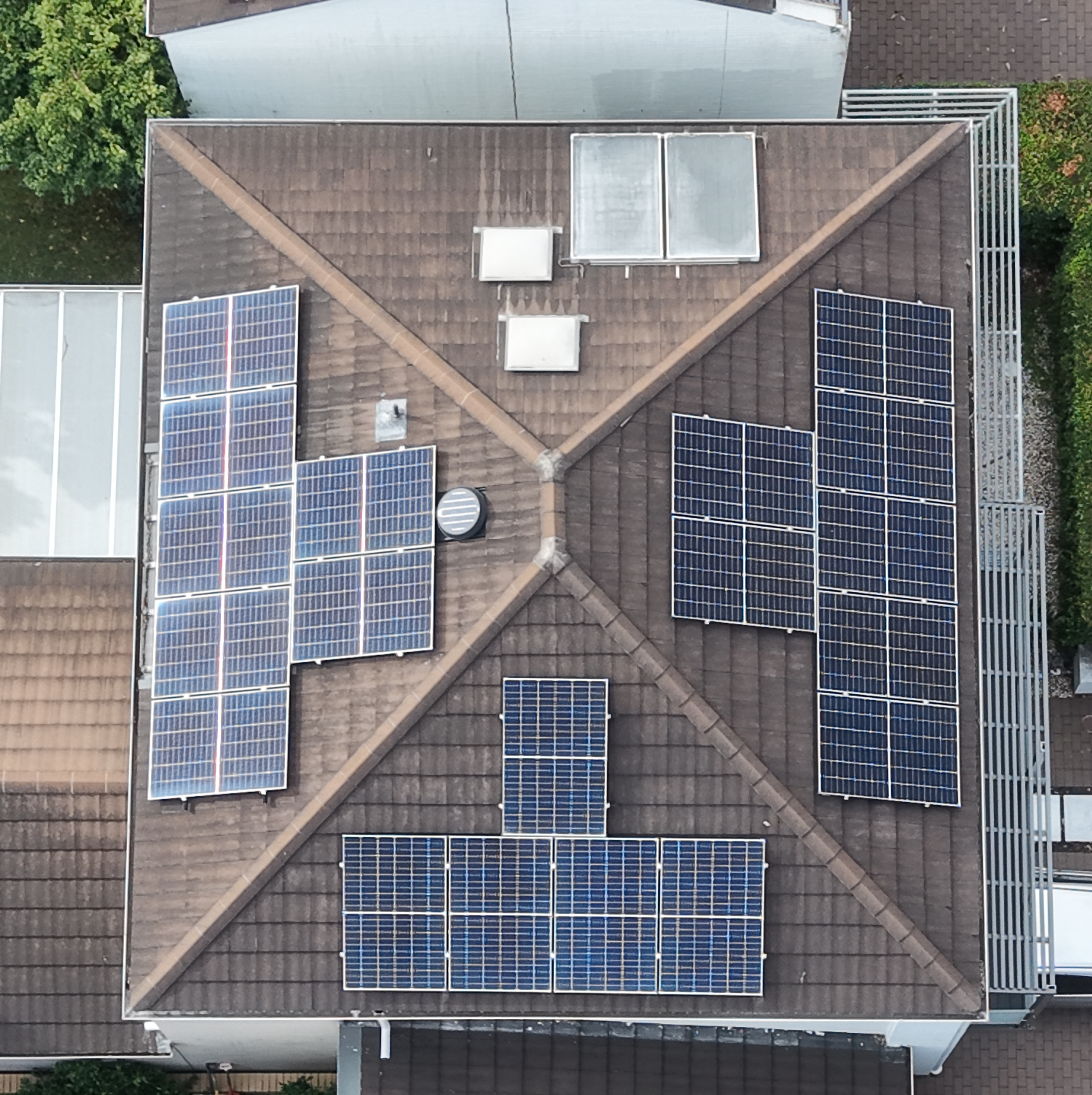
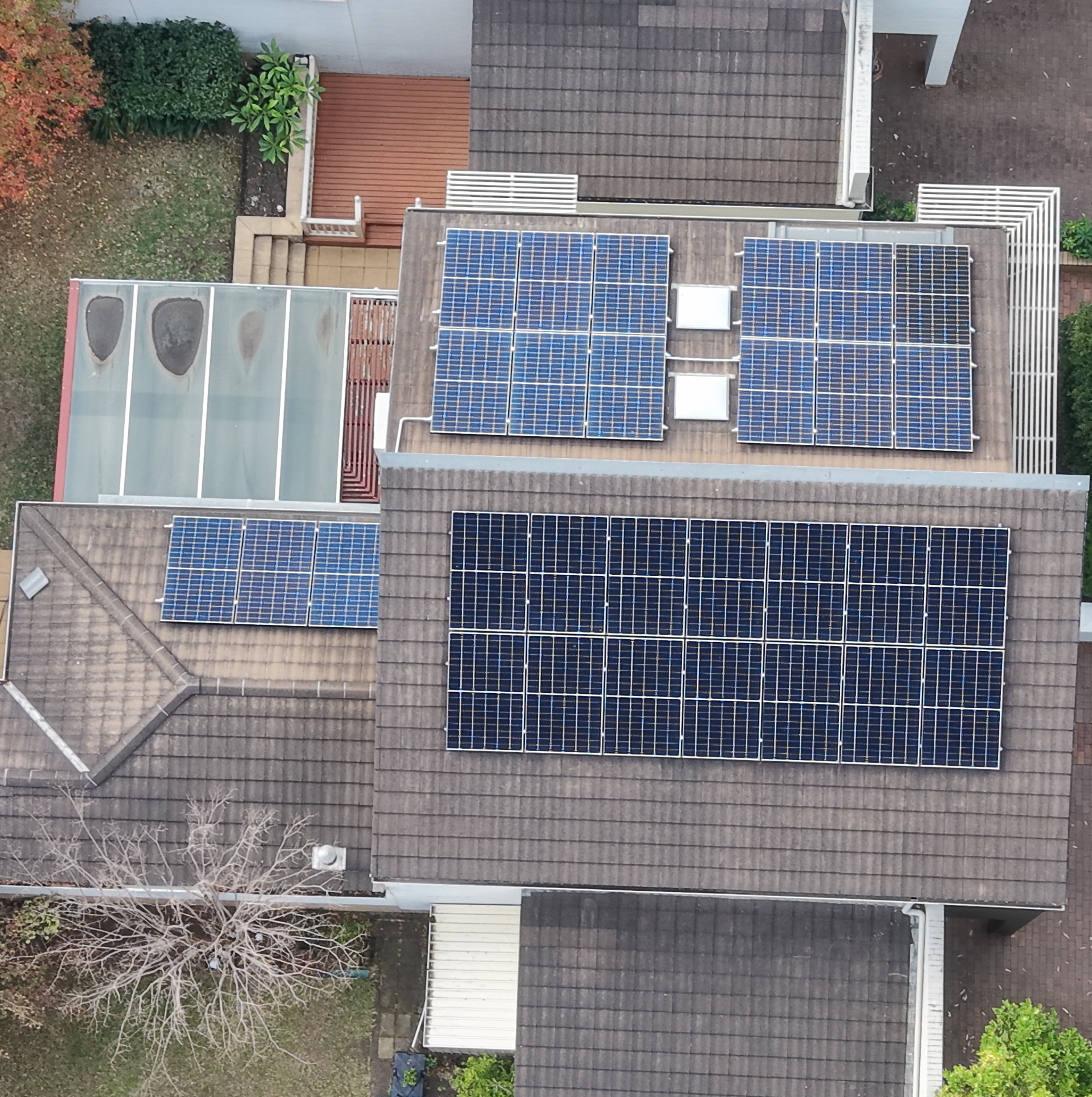
Newington, NSW was developed as one of Australia's earliest large-scale environmentally focused residential communities. Homes constructed between 1996 and 2002 commonly featured recessed photovoltaic (PV) and solar thermal systems integrated directly into roof cavities rather than mounted conventionally above roof surfaces.
While visually innovative at the time, these systems are now presenting significant retrofit and upgrade limitations. Homeowners attempting to modernise solar infrastructure are increasingly encountering installer refusals, thermal inefficiencies, roof integration risks, compliance uncertainty, and poor alternative installation options.

1. Introduction
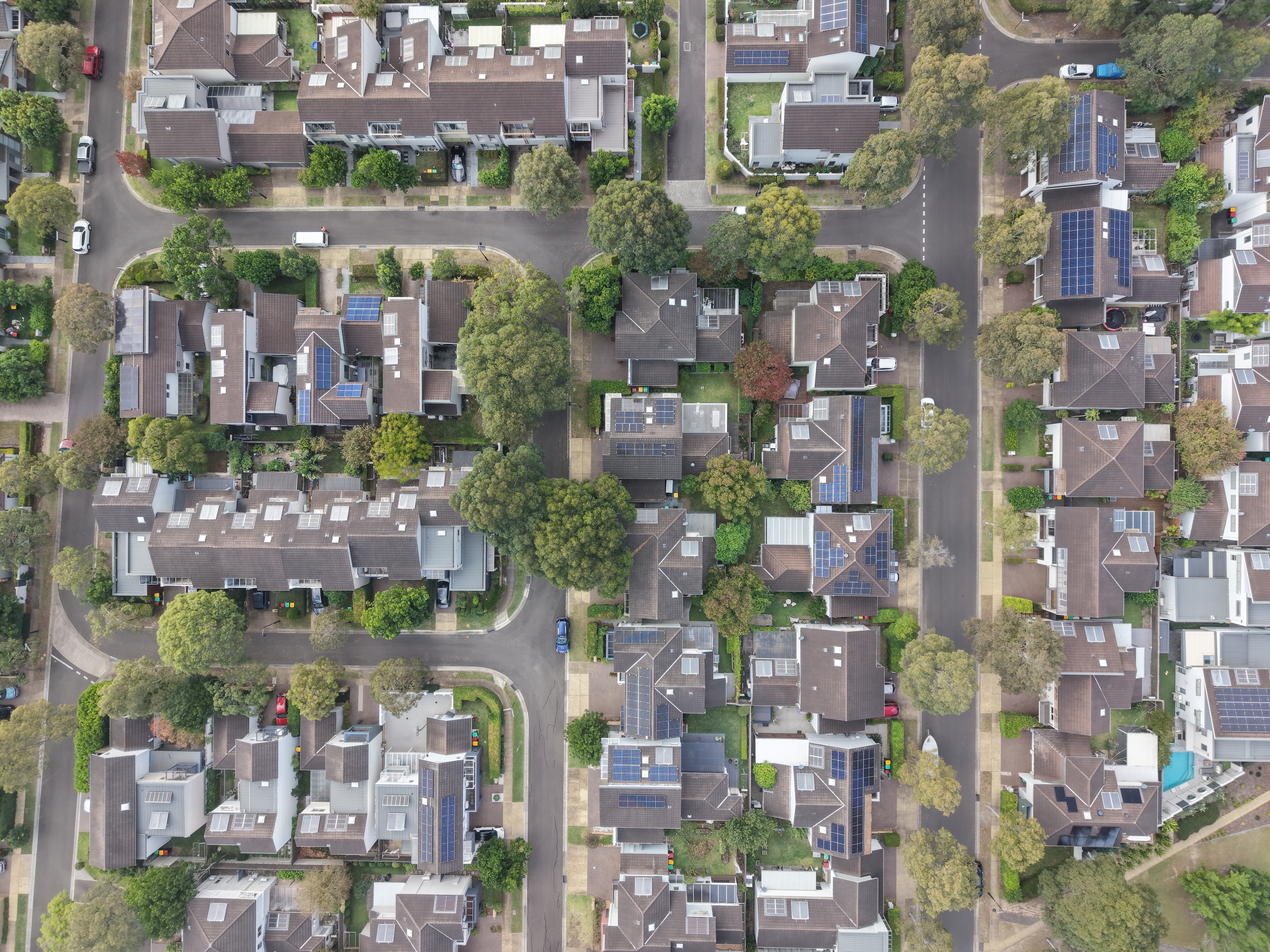
Newington was promoted as a pioneering "Solar Village" during its development phase in the lead-up to the Sydney Olympic Games. Mirvac and Lend Lease integrated solar photovoltaic systems and solar thermal hot water systems into the residential housing stock as standard construction features.
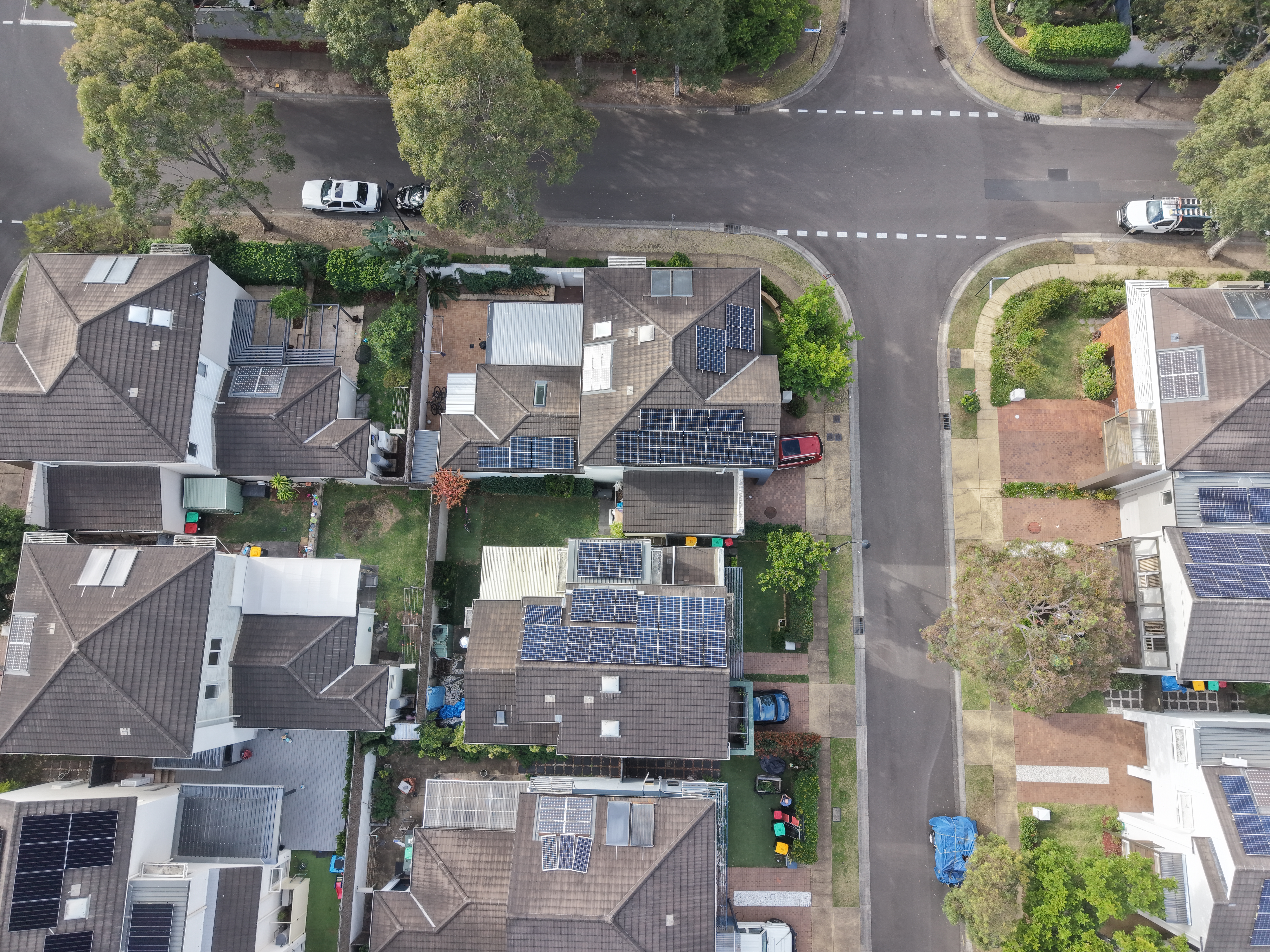
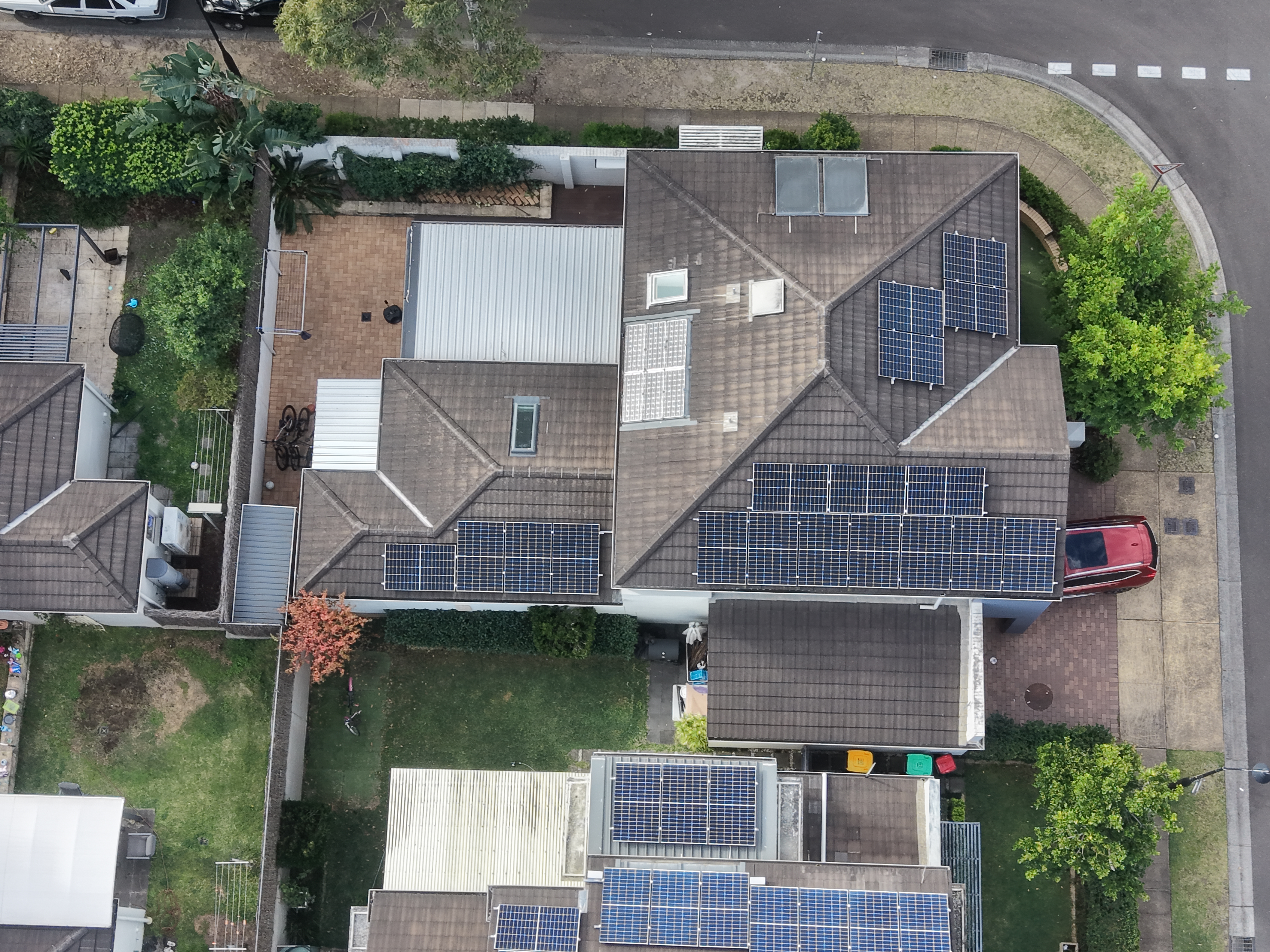
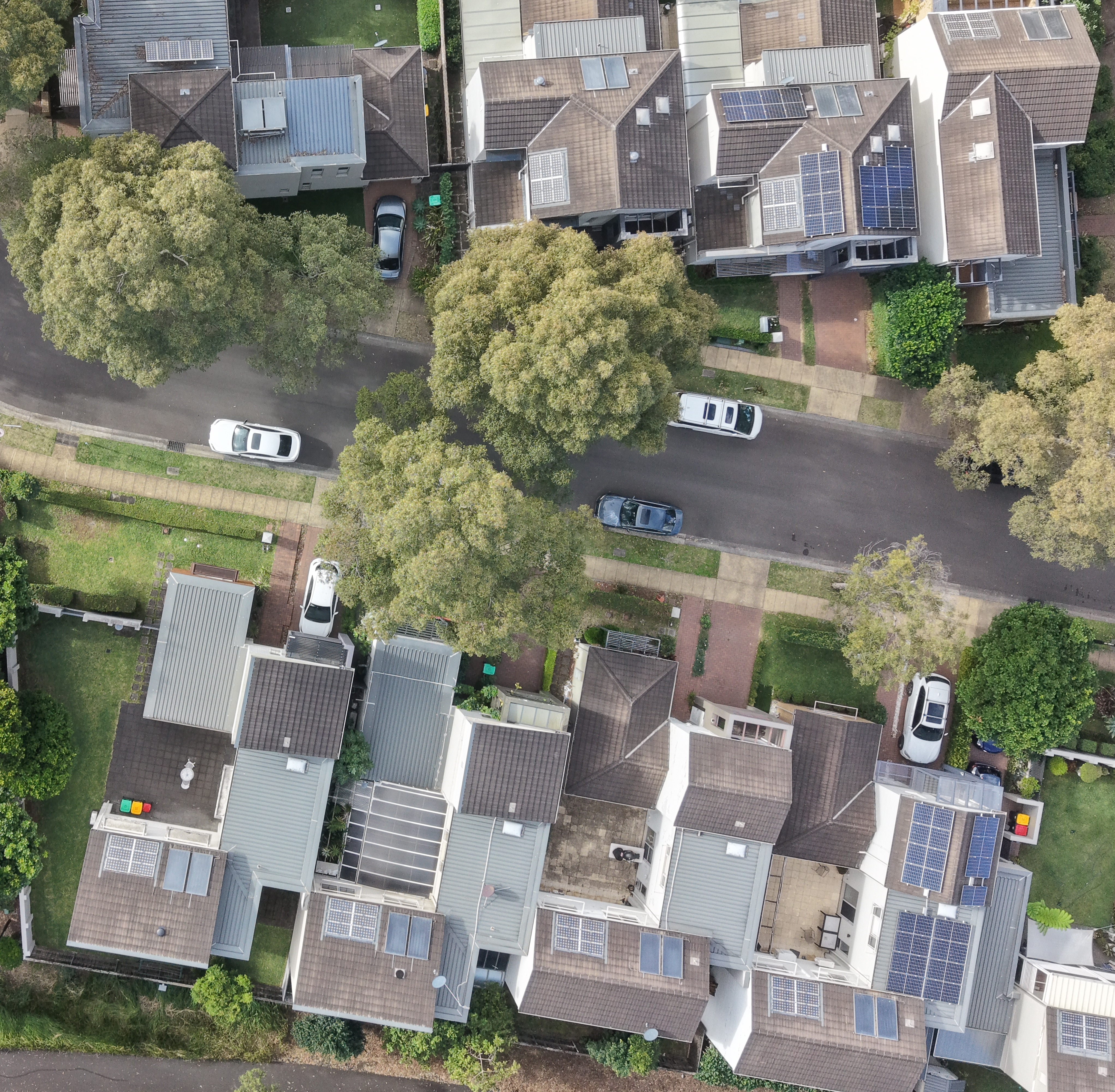
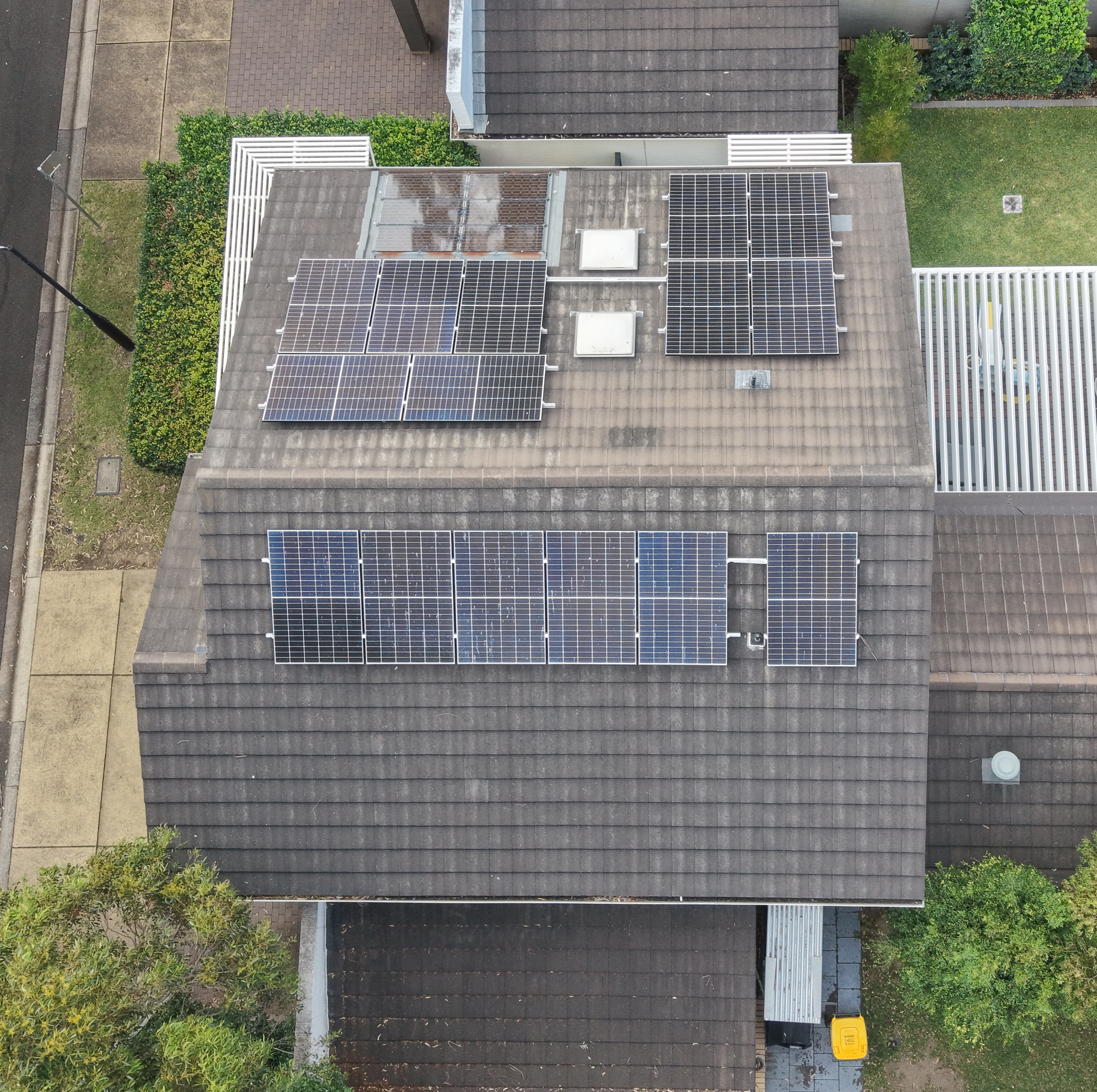
Unlike conventional rooftop solar systems, many Newington homes incorporated recessed solar panel architecture where the systems sat partially or fully within roof cavities. While architecturally streamlined, the design failed to adequately account for long-term upgrade flexibility and future solar technology evolution.
2. Historical Background
Between 1996 and 2002, Newington was developed as part of the broader Sydney Olympic redevelopment initiative. Sustainability formed a core component of the project’s public identity.
Solar technologies were embedded into residential construction from inception, including:
- Solar photovoltaic systems
- Solar thermal hot water systems
- Passive solar building design
- Energy-efficient urban planning
The recessed installation approach was reportedly selected for aesthetic consistency and marketing differentiation, allowing homes to present a clean roofline appearance without traditional raised panel mounting systems.
3. Real-World Upgrade Failure
A recent installation attempt within Newington demonstrates the practical consequences now emerging across the suburb.
Following aerial imagery assessment and onsite preparation, an installation crew arrived with:
- 14 modern solar panels
- Battery systems
- Inverters
- Mounting equipment
- Electrical hardware
However, after physically inspecting the recessed roof configuration, the supervising installer halted the project. The installation crew ultimately refused to proceed due to concerns regarding the non-standard recessed design and associated installation risks.
This situation is increasingly representative of the challenges facing Newington homeowners attempting to participate in modern renewable energy upgrade programs and government battery rebate schemes.
5. Limited Upgrade Options
Option 1 — Do Nothing
Many homeowners may abandon solar upgrade plans entirely, resulting in exclusion from battery rebates, reduced energy savings, and increasing long-term electricity costs.
Option 2 — Work Around or over Existing Panels
In many Newington properties, the original recessed systems occupy the most solar-optimal roof areas. Remaining roof sections are often limited, shaded, or geometrically unsuitable for efficient panel layouts. Some homes have the panels installed over the top of the original panels. Only time will tell whether the additional structural load will have long-term effects.
Option 3 — Roof Reconstruction
A technically viable but expensive pathway involves removing the original recessed systems, reconstructing roof sections, replacing flashing and waterproofing components, and installing a conventional rooftop solar system.
Option 4 — Alternative Roof Placement
Some installers may suggest placing new panels on south-facing, east-facing, or west-facing roof surfaces where remaining space is available. However, solar generation performance on these roof orientations can vary substantially depending on roof pitch, seasonal sun angles, shading exposure, and geographic location.
In Sydney and much of Australia, north-facing solar arrays generally provide the highest annual solar yield due to optimal exposure to the sun's path across the northern sky.
Residential dwellings in Newington (NSW), constructed between 1996 and 2002, typically utilise pitched roof systems with roof pitches ranging approximately from 20° to 35°. South-facing roofs in these homes receive significantly reduced winter irradiance because the sun remains predominantly in the northern sky, and during the winter period approximately May to July, this combination of orientation and roof pitch results in very poor direct sunlight and substantially reduced solar generation performance compared with north-facing roofs.
East-facing systems may generate electricity effectively during morning periods but experience reduced afternoon generation. Conversely, west-facing systems generally produce stronger afternoon output but reduced morning performance.
While east- and west-facing systems can still contribute meaningful generation under certain circumstances, they often produce lower total annual energy output compared to optimally oriented north-facing arrays.
In many Newington properties, the original recessed systems already occupy the most solar-optimal roof areas, leaving homeowners with limited remaining options that may deliver compromised long-term performance outcomes.
6. Installer Liability and Industry Reluctance
Modern solar installation companies operate under increasingly strict warranty and compliance frameworks. Recessed installations introduce elevated risk exposure involving:
- Waterproofing failures
- Non-standard mounting conditions
- Restricted maintenance access
- Structural uncertainty
- Thermal management concerns
- Future liability disputes
Many installers now optimise their business models around standardised rail-mounted systems. Legacy recessed systems disrupt this workflow significantly and may fall outside preferred installation risk tolerances.
7. Building Envelope Risks
Unlike conventional rooftop systems mounted above existing roof surfaces, recessed systems integrate directly into the building envelope.
Modifications to these systems may increase risks involving:
- Water ingress
- Flashing failures
- Condensation accumulation
- Timber deterioration
- Mould growth
- Long-term roof integrity issues
8. Conclusion
The recessed solar systems installed throughout Newington during the late 1990s represented an ambitious attempt to integrate renewable energy systems into suburban housing design.
However, the prioritisation of aesthetics and architectural integration over long-term adaptability has unintentionally created a significant retrofit challenge for homeowners.
As battery adoption accelerates and modern solar technologies evolve, many Newington properties are now poorly suited to practical and economical renewable energy upgrades.
Without targeted retrofit solutions or specialised installation methodologies, homeowners may increasingly face exclusion from modern renewable energy benefits despite residing within one of Australia's earliest solar-focused residential developments.